Speech and OT


Apraxia is a speech disorder that can affect children, making it difficult for them to form and pronounce words correctly. Recognizing the signs of apraxia is crucial for early intervention and effective treatment. In this article, we will outline the common signs of apraxia in children and discuss the treatment options available to help them improve their speech.

Signs of Apraxia:Limited Consonant Repertoire: Children with apraxia may struggle with a limited range of consonant sounds, making it challenging for them to articulate words correctly.

Vowel Errors or Substitutions: Vowel sounds may be pronounced incorrectly or substituted with other sounds.

Voicing Errors: In some cases, children with apraxia may have difficulty controlling their vocal cords, resulting in voicing errors.

Articulation Errors: This category includes initial and final consonant deletion, cluster reduction, syllable omissions, substitutions, and distortions, all of which can affect the clarity of speech.

Substitutions More Frequent: Substitution errors are often more noticeable than other error types.

Errors with Infrequently Occurring Words: Apraxic children may make more errors when attempting to say less common or complex words.

Errors in Imitative and Spontaneous Speech: Both imitated and spontaneous speech can be affected by apraxia.

Inconsistent Errors: The same sounds are not consistently in error, making speech patterns unpredictable.

Increased Errors with Longer Words: As the length of words and sentences increases, the number of errors may also rise.

Unintelligible Connected Speech: Apraxic children often have difficulty forming coherent sentences, resulting in speech that is challenging to understand.

Errors Vary with Articulatory Complexity: The complexity of articulatory adjustments required for different sounds may affect the number and type of errors.

Groping or Struggling to Speak: Children with apraxia may appear to struggle or “grope” for the correct words.

Slow Rate and Prosodic Disturbances: Apraxic speech is often slower, with disruptions in prosody, which is the rhythm and melody of speech.

“Soft” Neurological Signs: Some apraxic children may exhibit other neurological signs, such as clumsiness, poor coordination, or a lack of body awareness.

Limited Vocalizations in Infancy: Parents may notice that their child had limited vocalizations or sound play in infancy.

Feeding Difficulties in Infancy: Children with apraxia may also have experienced feeding difficulties during infancy.

Treatment of Apraxia:Children with apraxia can make significant progress with the right intervention. Here’s an overview of the treatment approach:

Speech-Language Pathologist (SLP): A trained SLP will work with the child in a hierarchical approach, starting with isolated sounds and progressing to syllables and words.

Visual and Hand Cues: SLPs may use visual or hand cues to help children understand how sounds are produced.Identifying the signs of apraxia in children is essential for timely intervention. With the guidance of a skilled speech-language pathologist and a structured treatment plan, children with apraxia can significantly improve their speech and communication skills, leading to better overall development. If you suspect your child may have apraxia, seek professional evaluation and support.


Childhood Apraxia is a speech disorder that can be challenging to diagnose due to symptom overlaps with other speech disorders. However, recognizing unique signs is crucial for accurate detection. Key symptoms include the inability to transition smoothly between sounds, syllables, or words, vowel distortions, and difficulties in syllable-stressing.

What Causes Childhood Apraxia?

Determining the root cause of childhood apraxia can be complex. While many professionals may not isolate the exact cause, some studies suggest links to factors like brain injuries, strokes, and genetic disorders. It's important to note that childhood apraxia cannot be cured, but it can be effectively managed with consistent speech therapy.

Complications Associated with Childhood Apraxia

Childhood apraxia can impact more than just a child's speech. It can affect various aspects of their learning, including motor skills, reading, writing, and coordination. Some children with apraxia may also exhibit hypersensitivity to certain materials, fabrics, or sensations.

Treatment Strategies for Childhood Apraxia

Early diagnosis and intervention are crucial for reducing the impact of childhood apraxia. Speech therapy plays a central role in treatment. Some effective techniques involve repeating sounds, syllables, and words to help children learn to produce the correct sounds. Demonstrating how sounds and words are formed, possibly using mirrors and hand gestures, can aid in effective speech training. The practice of co-production, where the therapist and the child say a word simultaneously, can reinforce proper speech habits.

Understanding Early Signs of Apraxia and Overcoming It

Apraxia is a neurological condition that is not yet fully understood, making treatment approaches a subject of ongoing exploration. Symptoms of apraxia typically involve difficulty in executing specific motor movements, despite having normal muscle function. There are various forms of apraxia, including orofacial apraxia, which affects facial muscle movements, and apraxia of speech, which hinders mouth and tongue movements necessary for speaking.

Treating Apraxia: Tailored to Individual Needs

While some cases of apraxia may spontaneously resolve, developmental apraxia of speech often requires treatment. The effectiveness of treatment varies from person to person, emphasizing the importance of tailored approaches. Typically, treatment involves sessions with a speech-language pathologist three to five times per week. Additionally, parental involvement is encouraged to reinforce the skills learned during therapy.

Enhancing Speech Coordination

Therapy for apraxia focuses on practicing sound and word formation. Multisensory approaches are utilized, such as using mirrors and tactile feedback while speaking. In severe cases, sign language may be taught to ensure clear communication, although most therapists encourage children to attempt spoken words to practice necessary mouth movements.

Childhood Apraxia: When Speech Is a Challenge

Childhood apraxia is a speech disorder characterized by difficulties in moving speech-related muscles correctly. Contrary to misconceptions, the issue is not weak muscles but rather the brain sending incorrect signals to the muscles responsible for speech. Effective speech therapy is essential to retrain the brain and enable children to speak more naturally and confidently.

Understanding Speech Apraxia in Children

Speech apraxia, also known as apraxia of speech, occurs when a child struggles with the precise movements required to form sounds. Children with speech apraxia know what they want to say, but their brains face challenges in directing the necessary muscle movements for speech.

Treating Speech Apraxia in Children: Making Speech More Natural

Apraxia of speech in children necessitates speech therapy to help them plan and execute the movements required for speech production, ultimately making speech more automatic and natural. Repetition and practice are key elements of this therapeutic approach.

Ways to Support a Child with Speech Apraxia

There are several ways to support children with speech apraxia:

Leverage Available Resources: Access informative websites and support groups, such as Speech and Language Kids and Apraxia Kids, to ease the journey.

Utilize Technology: Smartphones and tablets can serve as effective learning tools, offering auditory and visual feedback. There are numerous apraxia apps available to enhance the learning process.

Share Your Speech Abilities: As a parent, you can guide your child by emphasizing speech movements and using finger placement to indicate the correct positions of lips and tongue.

Prioritize Your Health: Maintaining your own well-being is vital for providing strong support to your child. Regular exercise, relaxation techniques like yoga and meditation, and a balanced diet contribute to your ability to assist your child effectively.

If you have concerns about your child's language and speech development, consider reaching out to Speech and Occupational Therapy of Plano, Texas, for a consultation. Early intervention and tailored treatment plans are essential for children with speech apraxia to achieve their full potential.


Childhood apraxia of speech (CAS) is a speech disorder that affects a child's ability to coordinate the movements needed for clear and effective speech. It is a motor speech disorder that is different from other speech disorders, such as articulation disorders or phonological disorders. CAS can make it challenging for children to plan and execute the precise movements required for speech sounds, resulting in speech that may be unclear, inconsistent, or difficult to understand.


Here are some key points to understand about childhood apraxia of speech:


Motor Planning Difficulty: CAS is characterized by difficulty in planning and coordinating the movements of the tongue, lips, and jaw necessary for speech. Children with CAS know what they want to say, but they struggle to translate those thoughts into clear speech.


Symptoms: Common signs of CAS include inconsistent speech sound errors, difficulty imitating speech sounds, limited sound repertoire, and difficulty with longer or more complex words and phrases. Children with CAS may also exhibit slower speech development.


Diagnosis: Diagnosis of CAS typically involves a thorough evaluation by a speech-language pathologist (SLP). This assessment may include analyzing the child's speech sound production, oral motor skills, and speech intelligibility.


Treatment: Treatment for CAS often involves speech therapy with a focus on improving motor planning and coordination. SLPs use various techniques, such as repetition, cueing, and speech drills, to help children improve their speech abilities.


Early Intervention: Early intervention is crucial for children with CAS. Starting speech therapy as early as possible can improve the child's chances of developing clearer speech skills and better communication.


Individualized Approach: Treatment plans are tailored to each child's unique needs and abilities. Progress may be gradual, and consistent practice at home is often encouraged.


Supportive Environment: It's important for parents and caregivers to provide a supportive and patient environment for children with CAS. Encouragement and understanding can boost a child's confidence and motivation to work on their speech.


Educational Implications: CAS can impact a child's ability to communicate effectively in school. Special education services, such as speech therapy and Individualized Education Plans (IEPs), may be necessary to support their educational needs.


Prognosis: With appropriate therapy and support, many children with CAS can make significant improvements in their speech. However, the prognosis varies depending on the severity of the condition and the individual child.


In conclusion, childhood apraxia of speech is a speech disorder that affects a child's ability to plan and coordinate the movements required for clear speech. Early diagnosis and intervention, along with consistent speech therapy, can help children with CAS improve their communication skills and build a foundation for effective verbal communication.

 If you see that your two or three-year-old baby is not yet talking or is unable to construct sentences, you should check the suggestions below. The options are in line with the experts because they know more about speech development, the kind of method you will use, and the speech therapist to consult. Any child with dyspraxia or apraxia will not likely grow out of it unless they go through speech therapy. With time the child’s speech will improve, but still have difficulties and errors in understanding. With speech therapy, they will manage to communicate verbally. Various ways can be used, but here are the top three speech therapy tips meant to help your children.


Helping the Child to Develop the Speech Muscles

Getting your toddler to talk becomes fun and overwhelming process for parents. One aspect of speech that many parents assume is the physical aspect of speech. For this method, your child’s tongue and lips are the muscles that must be worked on. Your child should improve the articulation of speech sounds by using the objects in the house. One example is the mirror because it allows the child to observe himself as the mouth moves while talking. Other items that you can use include cotton wool, bubbles or straws to encourage blowing.

Using songs and Rhymes

As known, the harness is the power of music. It is common for children not to be interested in you while you are talking to them until you play their favorite songs. In this method, our therapists will encourage you to motivate your child to participate in various songs while pausing so that they get a chance to sing along. For instance, if your child is watching a video, he or she can sit there until it finishes. The best way is to pause the video at specific points and ask your child to repeat what they heard.

Creating the Need to Communicate

Creating the need to talk to your child means giving him or her something they do not like. Often any child is motivated to decline something they hate than what they can get easily. After doing this, then put anything they desire, such as a car, but out of reach (such as a container) for them to open. You should then wait for your child to communicate, to understand if he is satisfied or needs something else. You should then demonstrate to your child on ways of communication not just by talking, but by increasing the opportunities that will make the child talk. To find out more information on speech therapy or occupational therapy, reach out to us here at Speech & Occupational Therapy of North Texas today!


Scours : https://www.speechandot.com/top-3-proven-speech-therapy-tips-when-your-childs-speech-is-unclear/


 Childhood apraxia is a speech disorder that causes children to have problems moving speech-related muscles correctly when speaking. The problem is not weak muscles; the brain itself sends incorrect signals to the body parts responsible for speech. Speech therapy is necessary to retrain childrens’ brains and to allow them to speak normally and without unnecessary struggles.


Symptoms of Childhood Apraxia

Diagnosing childhood apraxia can be difficult since some of its symptoms overlap with other speech disorders. Watching for symptoms that are unique to childhood apraxia is the key to correctly detecting it. The inability to smoothly transition from one sound, syllable, or word to another is a key symptom of childhood apraxia. Vowel distortions or incorrect vowel sounds are another strong indicator. Difficulties with syllable-stressing – such as emphasizing the wrong syllable or emphasizing every syllable in the word – differentiate childhood apraxia from other speech disorders.

Causes of Childhood Apraxia

Determining the root cause of childhood apraxia can be difficult, and many professionals who successfully treat children with apraxia do not isolate the root cause. However, there are studies that show links between childhood apraxia and factors, including brain injuries, strokes, and genetic disorders. Childhood apraxia cannot be cured, but it can be treated with proper and consistent speech therapy.

Complications with Childhood Apraxia

Childhood apraxia can affect more than childrens’ speech. Childhood apraxia can hinder every aspect of their learning, including development of motor skills and difficulty with reading and writing. Childhood apraxia can also interfere with childrens’ coordination. Some patients with childhood apraxia are hypersensitive, reacting poorly when exposed to certain materials, fabrics, or sensations.

Treating Childhood Apraxia

The sooner that a child is diagnosed with, and treated for, childhood apraxia, the fewer complications the disorder will cause the child as they develop. Repeating sounds, syllables, and words for the child to learn helps train the child to make the correct sounds. Taking additional efforts to demonstrate how sounds and words are formed are effective at training the child to speak properly. Teaching the child the importance of cues – such as integrating mirrors into therapy or having the child learn hand gestures to reinforce how the mouth should move during specific sounds – can make learning more effective for the child. The practice of co-production – where the therapist and the child say a word at the same time – can further reinforce good speech habits.

If your child has childhood apraxia, contact our office at Speech and Occupational Therapy of North Texas to schedule a consultation and determine what treatment plan is best for your child.


Scours:https://www.speechandot.com/childhood-apraxia-when-your-child-struggles-to-speak/

 Storytelling possesses inherent healing properties, benefiting both psychological and physical well-being. With roots tracing back to ancient therapeutic traditions, stories captivate attention and stimulate imagination, acting as a form of hypnotic therapy. Presently, stories find application in speech therapy, employing creative techniques to enhance communication skills.

In contemporary speech therapy, various strategies employ storytelling:

Reimagining Words: Select target words and craft distinct stories integrating them. Different narratives emerge from the same set of words, showcasing individual creativity.

Continual Storytelling: Develop a story involving target words and engage the audience. Listeners collaboratively contribute sentences, progressively constructing a dynamic narrative.

WH Question Trivia: Assess audience attentiveness with WH question trivia. This interactive approach fosters engagement and understanding, potentially introducing rewards or buzzers.

“Describe Me” Vocabulary: Post-story, participants describe target words while others guess. Rotating target words or utilizing multiple words per person enhances engagement.

“Retell Hopscotch” Game: Utilize flashcards with pictures or words. Audience members participate by reciting story openers featuring target words. The game involves responding to called-out target words with physical actions, promoting active involvement.

Incorporating storytelling into speech therapy not only bolsters language skills but also fosters enjoyment, interaction, and holistic healing. To know more : https://www.speechandot.com/creative-ways-to-use-stories-in-speech-therapy/

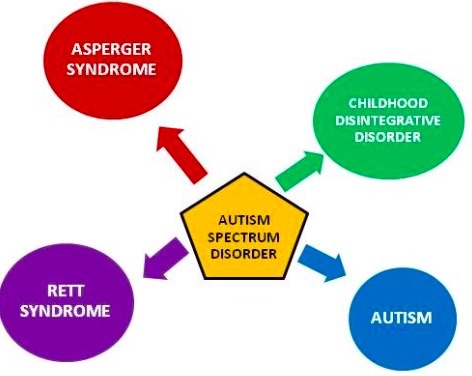
 Autism is a developmental disorder. It is primarily associated with problems with social interactions, not communicating verbally or non-verbally correctly, and behavioral problems. Some of these problems include repetitive behaviors and interests that have a very narrow focus. Autistic children can have varying degrees of symptoms.


While the disorder itself cannot be cured, the good news is that therapies have been developed that can help a child with autism better integrate with their peers, their family members, and those around them. In this article, we will focus on a broad look at the three major types of autism spectrum disorders.

Autistic Disorder

Autistic Disorder is what would be considered “classic” autism. It is also the most severe form of autism. The symptoms of Autistic Disorder are what most people think of when someone is said to be autistic. One of the first hints that a child has Autistic Disorder is a delay in language development. By the age of two they should be speaking and able to communicate their needs to you and understand what you are asking of them. Children with Autistic Disorder may have trouble making friends because they are unable to recognize the social clues needed to do that. They may also engage in restrictive or even rigid behavior. They also may seem to be engaged in repetitive behavior that is almost compulsive.

Asperger Syndrome

Asperger Syndrome is a milder form of autism. Children with Asperger Syndrome do not have the problems with language and communication that those with Autistic Disorder have. They are able to make their needs known and can understand what others want of them. Many people with Asperger Syndrome are not affected by intellectual disabilities that do affect those with Autistic Disorder.

People with Asperger Syndrome have trouble with social interactions. They may be tied to specific schedules or ways of doing things. Upsets in their routine can cause them difficulties. They frequently have problems with understanding social clues and may not understand simple social norms, such as invading someone’s personal space. They are also subject to hypersensitivities such as light and sound.

However, they do have certain strengths which are tied to their intellectual ability such as being able to maintain a strong focus, pay attention to detail, and excellent pattern recognition abilities.

Pervasive Developmental Disorder

Pervasive Developmental Disorder is an atypical form of Autism. This diagnosis is determined when a person meets some of the criteria for Autism Disorder and Asperger Syndrome, but do not meet all of the criteria of either of these disorders. This is considered the mildest form of Autism and generally causes only social or communication problems.

If you think you have a child who exhibits any of these symptoms, contact Speech & Occupational Therapy of North Texas. We have several clinics in the North Texas area and have been helping families with an autistic child for almost 20 years.


Scours :https://www.speechandot.com/what-are-the-types-of-autism-spectrum-disorder/