
SLEEP DISORDERS AND BEHAVIORAL ISSUES
Children with sleep disorders can quickly find themselves with problems including learning impairments and poor behavior. Children with sleep disorders should be treated as soon as possible to manage the condition and to prevent damage to the childrens’ development. Our staff at Speech and Occupational Therapy of North Texas is trained to diagnose and treat a variety of childrens’ sleep disorder
Obstructive Sleep Apnea
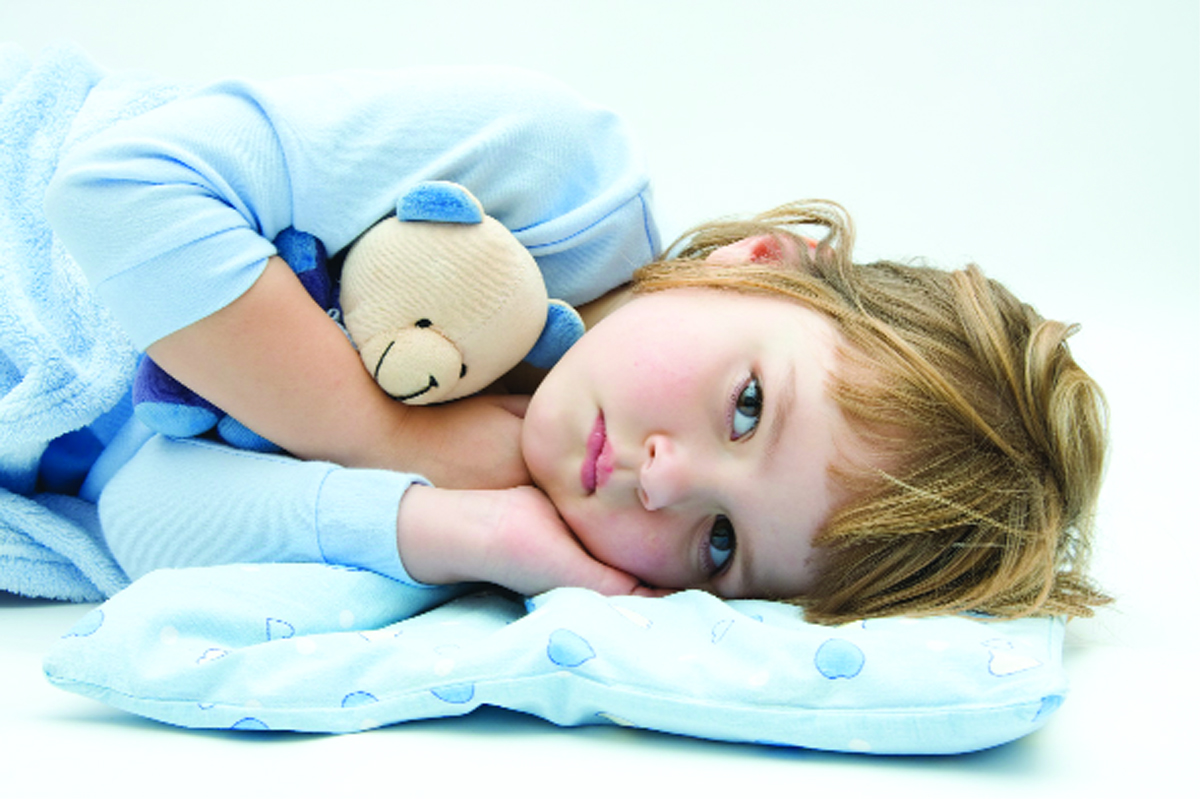 Obstructive sleep apnea – also known as OSA – is a condition where the patient’s airways are blocked or restricted during sleep. OSA occurs most often for children when they have enlarged tonsils. However, other causes such as excessive soft tissue near the airways, obesity, and distortions in the airway size can also cause or contribute to OSA. Up to 5% of children could be affected by OSA.
Parasomnias
“Parasomnias” is a blanket term for behaviorally based sleep disorders, including sleepwaking, nightmares, and talking during sleep. Roughly 50% of children have some form of parasomnia. Parasomnias can be influenced by genetics, and lack of sleep can aggravate or catalyze parasomnias.
Behavioral Insomnia
Behavioral insomnia is a learned or acquired inability to either fall asleep or remain asleep. Up to 30% of children could have some form of behavioral insomnia. Sleep-onset insomnia is any condition where a child refuses to fall asleep or remain asleep until a demand is met, or a condition is fulfilled. Limit-setting insomnia is the result of parents not setting or enforcing limits regarding childrens’ sleeping habits and times. Unlike most other sleep-related disorders, behavioral insomnia can be prevented through mature definition to, and adherence of, rules regarding sleeping accommodations and bedtimes.
Delayed Sleep Phase Disorder
Delayed sleep phase disorder occurs when childrens’ circadian clocks are offset by external stimuli. Exposure to light is the most common stimulus that interferes with childrens’ sleep cycles. Other factors, such as body temperature, timing of meals, and timing of physical activity can also interfere with childrens’ sleep schedules. Controlling or reducing the factors that interfere with childrens’ circadian clocks is a crucial part of treating delayed sleep phase disorder.
Restless Leg Syndrome
Children with restless leg syndrome have the uncomfortable urge to move their legs, triggered by an uncomfortable or even painful sensation. Factors that may trigger restless leg syndrome include hyperactivity, iron deficiency, and genetics. Restless leg syndrome can be difficult to diagnose in children, and there is no medication that remedies the condition. However, there are treatment plans available to mitigate the effects of restless leg syndrome.
If you’re seeking help to treat your childrens’ sleep disorders, please contact us at Speech and Occupational Therapy of North Texas to schedule a consultation and establish a treatment plan for your child.

