Speech and OT

Empowering Speech Therapy Through Creative Storytelling Techniques

 Storytelling possesses inherent healing properties, benefiting both psychological and physical well-being. With roots tracing back to ancient therapeutic traditions, stories captivate attention and stimulate imagination, acting as a form of hypnotic therapy. Presently, stories find application in speech therapy, employing creative techniques to enhance communication skills.

In contemporary speech therapy, various strategies employ storytelling:

Reimagining Words: Select target words and craft distinct stories integrating them. Different narratives emerge from the same set of words, showcasing individual creativity.

Continual Storytelling: Develop a story involving target words and engage the audience. Listeners collaboratively contribute sentences, progressively constructing a dynamic narrative.

WH Question Trivia: Assess audience attentiveness with WH question trivia. This interactive approach fosters engagement and understanding, potentially introducing rewards or buzzers.

“Describe Me” Vocabulary: Post-story, participants describe target words while others guess. Rotating target words or utilizing multiple words per person enhances engagement.

“Retell Hopscotch” Game: Utilize flashcards with pictures or words. Audience members participate by reciting story openers featuring target words. The game involves responding to called-out target words with physical actions, promoting active involvement.

Incorporating storytelling into speech therapy not only bolsters language skills but also fosters enjoyment, interaction, and holistic healing. To know more : https://www.speechandot.com/creative-ways-to-use-stories-in-speech-therapy/

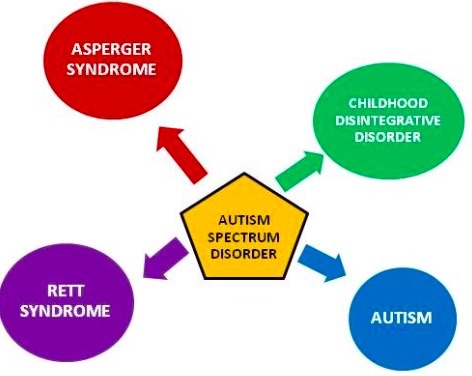
WHAT ARE THE TYPES OF AUTISM SPECTRUM DISORDER?

 Autism is a developmental disorder. It is primarily associated with problems with social interactions, not communicating verbally or non-verbally correctly, and behavioral problems. Some of these problems include repetitive behaviors and interests that have a very narrow focus. Autistic children can have varying degrees of symptoms.


While the disorder itself cannot be cured, the good news is that therapies have been developed that can help a child with autism better integrate with their peers, their family members, and those around them. In this article, we will focus on a broad look at the three major types of autism spectrum disorders.

Autistic Disorder

Autistic Disorder is what would be considered “classic” autism. It is also the most severe form of autism. The symptoms of Autistic Disorder are what most people think of when someone is said to be autistic. One of the first hints that a child has Autistic Disorder is a delay in language development. By the age of two they should be speaking and able to communicate their needs to you and understand what you are asking of them. Children with Autistic Disorder may have trouble making friends because they are unable to recognize the social clues needed to do that. They may also engage in restrictive or even rigid behavior. They also may seem to be engaged in repetitive behavior that is almost compulsive.

Asperger Syndrome

Asperger Syndrome is a milder form of autism. Children with Asperger Syndrome do not have the problems with language and communication that those with Autistic Disorder have. They are able to make their needs known and can understand what others want of them. Many people with Asperger Syndrome are not affected by intellectual disabilities that do affect those with Autistic Disorder.

People with Asperger Syndrome have trouble with social interactions. They may be tied to specific schedules or ways of doing things. Upsets in their routine can cause them difficulties. They frequently have problems with understanding social clues and may not understand simple social norms, such as invading someone’s personal space. They are also subject to hypersensitivities such as light and sound.

However, they do have certain strengths which are tied to their intellectual ability such as being able to maintain a strong focus, pay attention to detail, and excellent pattern recognition abilities.

Pervasive Developmental Disorder

Pervasive Developmental Disorder is an atypical form of Autism. This diagnosis is determined when a person meets some of the criteria for Autism Disorder and Asperger Syndrome, but do not meet all of the criteria of either of these disorders. This is considered the mildest form of Autism and generally causes only social or communication problems.

If you think you have a child who exhibits any of these symptoms, contact Speech & Occupational Therapy of North Texas. We have several clinics in the North Texas area and have been helping families with an autistic child for almost 20 years.


Scours :https://www.speechandot.com/what-are-the-types-of-autism-spectrum-disorder/