Speech and OT

 Autism is a developmental disorder. It is primarily associated with problems with social interactions, not communicating verbally or non-verbally correctly, and behavioral problems. Some of these problems include repetitive behaviors and interests that have a very narrow focus. Autistic children can have varying degrees of symptoms.


While the disorder itself cannot be cured, the good news is that therapies have been developed that can help a child with autism better integrate with their peers, their family members, and those around them. In this article, we will focus on a broad look at the three major types of autism spectrum disorders.
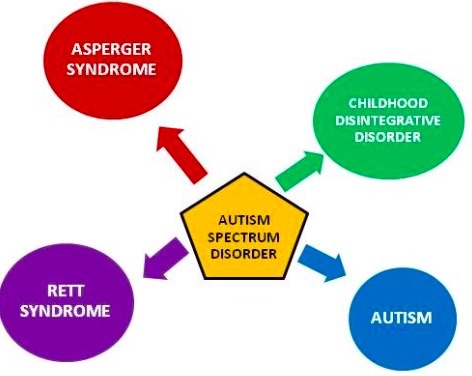
Autistic Disorder

Autistic Disorder is what would be considered “classic” autism. It is also the most severe form of autism. The symptoms of Autistic Disorder are what most people think of when someone is said to be autistic. One of the first hints that a child has Autistic Disorder is a delay in language development. By the age of two they should be speaking and able to communicate their needs to you and understand what you are asking of them. Children with Autistic Disorder may have trouble making friends because they are unable to recognize the social clues needed to do that. They may also engage in restrictive or even rigid behavior. They also may seem to be engaged in repetitive behavior that is almost compulsive.

Asperger Syndrome

Asperger Syndrome is a milder form of autism. Children with Asperger Syndrome do not have the problems with language and communication that those with Autistic Disorder have. They are able to make their needs known and can understand what others want of them. Many people with Asperger Syndrome are not affected by intellectual disabilities that do affect those with Autistic Disorder.

People with Asperger Syndrome have trouble with social interactions. They may be tied to specific schedules or ways of doing things. Upsets in their routine can cause them difficulties. They frequently have problems with understanding social clues and may not understand simple social norms, such as invading someone’s personal space. They are also subject to hypersensitivities such as light and sound.

However, they do have certain strengths which are tied to their intellectual ability such as being able to maintain a strong focus, pay attention to detail, and excellent pattern recognition abilities.

Pervasive Developmental Disorder

Pervasive Developmental Disorder is an atypical form of Autism. This diagnosis is determined when a person meets some of the criteria for Autism Disorder and Asperger Syndrome, but do not meet all of the criteria of either of these disorders. This is considered the mildest form of Autism and generally causes only social or communication problems.

If you think you have a child who exhibits any of these symptoms, contact Speech & Occupational Therapy of North Texas. We have several clinics in the North Texas area and have been helping families with an autistic child for almost 20 years.


Scours :https://www.speechandot.com/what-are-the-types-of-autism-spectrum-disorder/

 The article "How Animals Can Impact Language Development in Young Children" explores the positive influence of animals on language development. Interacting with pets or therapy animals can enhance communication skills, social interactions, and emotional well-being in young children. Animal-assisted interventions have shown to increase vocabulary, verbal expression, and engagement in children with language delays or disorders. The presence of animals can reduce anxiety and create a comforting environment, promoting language learning in a relaxed setting. Moreover, caring for animals fosters responsibility and empathy, further benefiting overall development. Encouraging children to interact with animals can be a valuable complement to traditional language therapy and educational practices, nurturing holistic growth.


Developmental problems in children often cause issues with speech, articulation, and communication. The ability to communicate effectively through speech comes from a confluence of finely coordinated motor skills, a good understanding of the language and its nuances, and the mental capacity to convert thoughts into speech using the right words quickly.

You might be parenting a child with speech sound disorders. In that case, it is vital to approach this problem systematically, using a simple-to-complex approach and setting up the right building blocks of practice that can lead to articulate, intelligible speech and effective communication. Here are some basic pointers to help you construct the right practical building blocks for a child with speech sound disorders.

Practicing Words—A Few at a Time

Before your child learns to articulate and combine multiple words effectively, you need to establish a comfort level with single words. It is crucial to select a few essential words and help your child understand and practice those until that comfort level gets established clearly. This way, you avoid overwhelming your child with information while creating a solid base of essential words that can help them create complex speech in due time.

The Right Words for Motivation

The practice of articulating words can become dull and chore-like unless you keep your child motivated by picking areas of interest and excitement and choosing words from those realms. Look at your child’s favorite activities, foods, and toys, and select practice words closely related to these areas of interest. The names of people in the family can also be useful in this regard.

Words for Utility

Effective communication often hinges on practicality. Real-life situations can place specific speech-related demands on your child. Knowing the right words regarding the immediate environment can be a great help in these situations. Words like “want”, “help”, “move”, “bye”, “up”, and “down” can also act as pivot words that can later connect with other words to form useful phrases. These words can be an integral part of the building blocks of practice for children with speech sound disorders.

Answering “wh” Questions

Many real-life communication scenarios hinge on the ability to understand, ask, and answer “wh” questions—who, what, where, when, and why. The most crucial prerequisite to engaging in these scenarios involves an understanding of the notions behind these questions. Focusing on these words in the practice building blocks for your child can help them internalize these notions and deal with such scenarios effectively.

Please feel free to contact us at Speech and Occupational Therapy of North Texas for a consultation regarding any kind of expert help with children with speech sound disorders.

 When children struggle with daily activities, there are many different options to help them progress. One of the best options is allowing children to participate in occupational therapy. This type of therapy helps children learn how to grasp concepts that they may otherwise struggle with. There are many types of therapy that fall under the umbrella of occupational therapy. Each of the types of therapy can help children progress with different tasks in their lives.


Types of Therapy Children Can Progress With

Speech therapy is one of the most common types of occupational therapy. These simple games and practices allow children to speak more clearly, and learn to express things they may need. This can include talking about how your child feels, explaining his or her needs, or even learning to ask questions to help them overcome daily challenges.

Fine motor skill therapy can also help children overcome some daily challenges. For some children, doing things like tying their shoes or buttoning a button are difficult. By going through occupational therapy, children are better able to accomplish these tasks on their own without the help of others. This type of therapy can also help children do things like writing more legibly or even using small devices, such as scissors.

Therapy for gross motor skills can also help children. Many struggle with specific tasks that require large muscle coordination. This type of therapy can help children do things like sitting up straight, walking without bumping into things, and doing activities like jumping jacks.

Many children can also benefit from strategy therapy. This teaches children how to plan out their day to get the most accomplished or to make the most logical sense. This can include helping them plan out their day at school, figure out which homework to do first, or how to make sure they accomplish a small list of chores each day in the most efficient manner.

Getting Help with Occupational Therapy

If you want to help your child get ahead, you may want to get them into occupational therapy. There are many types of skills that can improve with the repetition and projects that come with occupational therapy. No matter where your child struggles, there is something that can be done to help them gain independence and confidence. Reach out to us here at Speech & Occupational Therapy of North Texas and tell us what it is your child struggles with. We will then help you come up with a plan to help them overcome those challenges and move forward with confidence.


Introduction: Sensory Processing Disorder (SPD) is a condition that affects the way the nervous system processes sensory input and translates it into motor skills or behavioral actions. When someone has SPD, their sensory signals may not be received or processed correctly, which can impact their daily activities. Fortunately, there are various activities that can be incorporated into a child's routine to help them overcome some of the challenges associated with SPD. Identifying the affected senses is crucial, and seeking professional assistance, like the services provided by the Speech & Occupational Therapy of North Texas organization, can be beneficial in this process.

Understanding SPD and its Effects: SPD can affect any or all of the senses, including touch, taste, sight, smell, and more. Everyday tasks like pushing a grocery cart or biting into a sandwich can become difficult due to improper sensory processing. A child with SPD might exert more strength than necessary or struggle to use enough force, making simple activities challenging or overwhelming.

Incorporating Activities into Daily Routine: The key to helping children with SPD is to incorporate sensory activities into their daily routines. By making these activities predictable and expected, children can gradually adapt and benefit from them. However, it is essential to be mindful of the child's reactions to each activity and be open to trying different ones if they are not comfortable with certain exercises.

Examples of Activities to Help withSPD:

1.     Grocery Shopping: Allow the child to push the grocery cart within their physical abilities, helping them build strength and confidence. Encourage them to help carry heavy groceries and assist in putting them away at home.

2.     Bath Time: Use different textured items like washcloths or bath brushes during bathing to expose the child to various sensations. Experiment with different shampoos and soaps to engage their senses of touch and smell.

3.     Cooking: Involve the child in cooking tasks, especially those that require mixing thicker ingredients, as this can help strengthen their muscles.

4.     Cleaning: Let the child participate in household chores, such as vacuuming or carrying the laundry basket, to improve their sensory integration and motor skills.

Conclusion: Sensory Processing Disorder can present challenges in a child's daily life, but with the right approach, it is possible to help them overcome these difficulties. By incorporating specific activities into their routines and respecting their reactions, parents can support their child's development and enhance their ability to engage with the world around them. Seeking professional assistance from organizations like Speech & Occupational Therapy of North Texas can provide valuable guidance and support for families dealing with SPD in the North Texas area. Remember, every child is unique, so finding the right activities that suit their specific needs is crucial in helping them thrive despite SPD.


Dyspraxia, also known as Developmental Coordination Disorder (DCD), poses challenges for students in schools. It affects motor skills, making tasks like writing and sports difficult. Students with dyspraxia struggle with organization, planning, and time management. Speech and language development may also be impacted, hindering communication and social interactions. Sensory sensitivities can lead to difficulties concentrating and coping with stimuli. Emotional and behavioral challenges, such as frustration and low self-esteem, can arise. To address these issues, individualized support is crucial. Accommodations like assistive technology and sensory-friendly environments can enhance learning. Collaboration with occupational therapists and personalized instruction further assist students with dyspraxia, ensuring they reach their full potential.

 I am a mother of two children with special needs. Both of my children attend Speech and Occupational Therapy of North Texas. My oldest , who is almost 8 years old has been attending for almost 3 years. He has been doing OT with a therapist who has changed his life! He also had speech therapy for 2 years and made amazing progress.


My younger child who is just over 3 years old goes to the facility for speech therapy and he LOVES his therapist. He looks forward to his visits each week.

I have found all the staff supportive, caring , and invested in my 2 children. They are willing and capable of communicating to their families, schools, and any other staff that the children work with outside of the clinic. We have seen progression in their lives and a large part of thanks goes just to this clinic.

Lindy F

Scours:https://www.speechandot.com/testimonials/